


-

Add: HeBei ShengShi HongBang Cellulose Technology CO.,LTD.
-

Email
13180486930@163.com -

CONTACT US
+86 13180486930



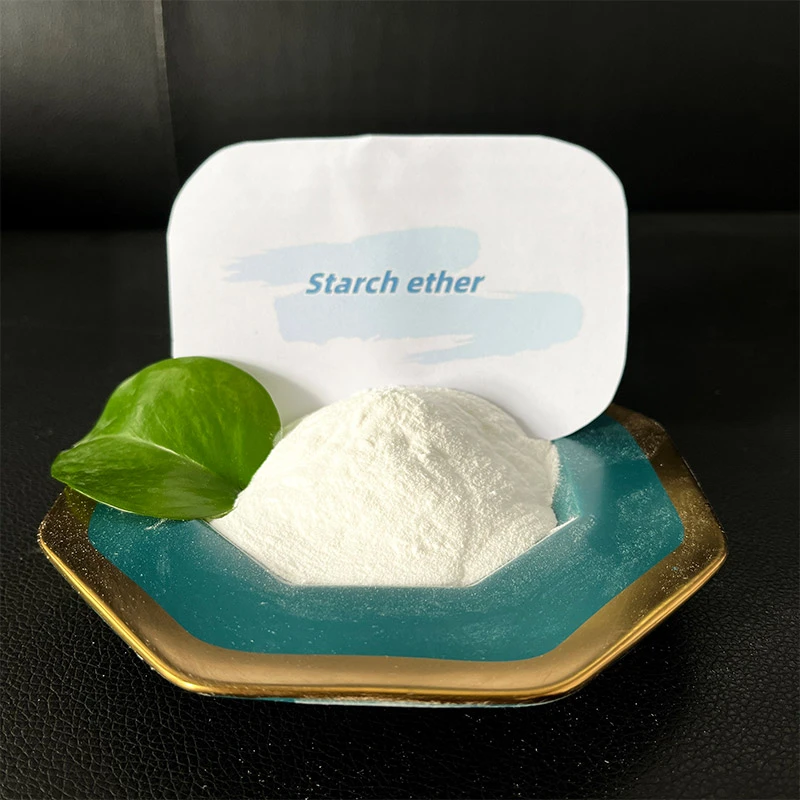
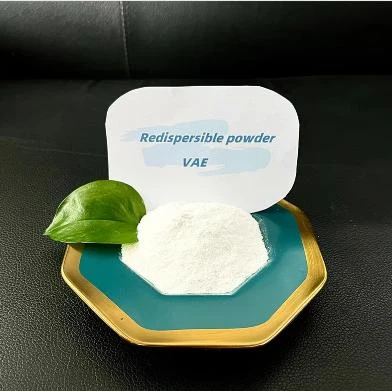
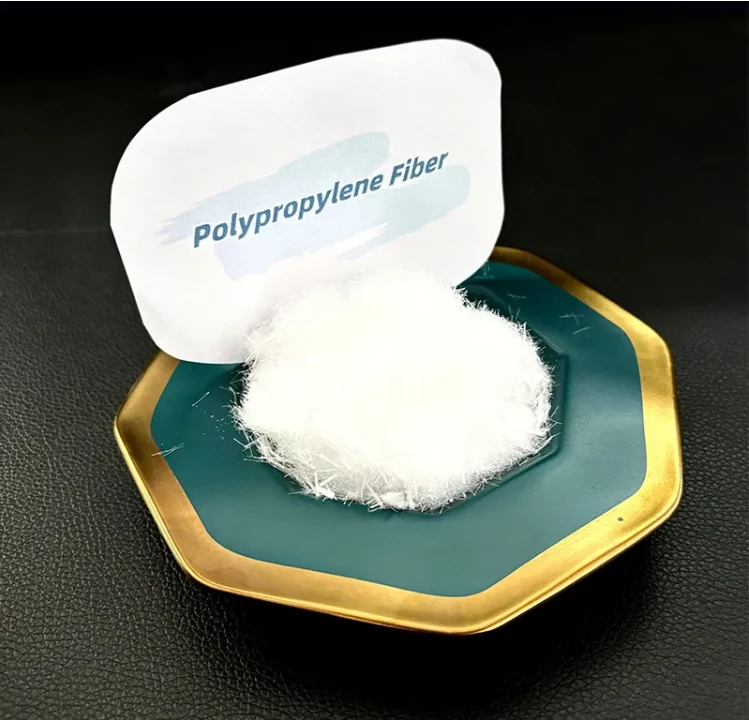


Introduction to Starch Ether: A Vital Additive in Modern Construction In the rapidly evolving landscape of advanced building materials, starch ether stands out as a crucial additive, significantly enhancing the performance characteristics of various cement-based and gypsum-based dry mix mortars. This non-ionic polysaccharide derivative plays a pivotal role in optimizing rheology, improving workability, and boosting the overall efficacy of construction compounds, addressing the stringent demands of contemporary building practices. The global construction industry is witnessing a robust trend towards high-performance, sustainable, and application-friendly materials. Innovations like starch ether are central to this shift, enabling the formulation of mortars that exhibit superior open time, enhanced sag resistance, and improved adhesion. Its growing adoption is driven by an increasing need for faster, more efficient, and more durable construction solutions across residential, commercial, and infrastructure projects. The market for construction chemicals, including rheology modifiers, is projected to grow significantly, fueled by urbanization, infrastructure development, and a continuous pursuit of material excellence. Manufacturing Process of Starch Ether: From Raw Material to Performance Enhancer The production of starch ether is a sophisticated chemical process that transforms natural starch into a functional polymer with specific properties tailored for the construction industry. The meticulous process flow ensures a consistent, high-quality product essential for reliable mortar performance. Process Flow Overview: Raw Material Procurement & Pre-treatment: High-purity natural starch, typically from corn, potato, or tapioca, is sourced. It undergoes cleaning, steeping, and grinding to prepare a starch slurry. Etherification (Derivatization): The starch slurry is reacted with an etherifying agent (e.g., ethylene oxide, propylene oxide) in an alkaline medium. This reaction introduces hydroxyl groups onto the starch molecules, leading to the formation of starch ethers. The degree of substitution (DS), indicating the average number of hydroxyl groups per anhydroglucose unit that have been etherified, is carefully controlled to achieve desired performance characteristics. Neutralization: After etherification, the reaction mixture is neutralized to achieve a stable pH, typically using acidic solutions. Washing & Purification: The product is thoroughly washed to remove residual salts, unreacted reagents, and by-products, ensuring the purity of the starch ether . Drying: The purified starch ether slurry is then dried, typically using spray drying or flash drying techniques, to obtain a fine, free-flowing powder. Careful control of drying parameters prevents degradation and ensures particle integrity. Grinding & Sieving: The dried product is milled to achieve a desired particle size distribution, which is critical for its dissolution properties and performance in dry mix formulations. Sieving ensures uniformity. Quality Control & Packaging: Each batch undergoes rigorous testing against international standards (e.g., ISO 9001:2015) for parameters like viscosity, moisture content, pH, and particle size before packaging. This precise manufacturing process targets industries such as construction, where dry mix mortars require extended open time, improved thixotropy, and excellent anti-sag properties. The inherent advantages, such as enhanced workability and cohesion, contribute to the extended service life and overall performance of finished structures, making it an indispensable component for modern, energy-saving building techniques and improved resistance to environmental factors. Technical Specifications and Performance Parameters of Starch Ether Understanding the technical specifications of starch ether is paramount for formulators to achieve optimal performance in dry mix mortar applications. Key parameters dictate its functional behavior, especially its influence on rheology, water retention, and adhesion. The following table outlines typical specifications: Typical Technical Specifications of Starch Ether (Standard Grade) Parameter Specification Test Method / Significance Appearance White to off-white powder Visual inspection, indicative of purity. Bulk Density (g/L) 500 - 700 Influences mixing and storage volume. Moisture Content (%) ≤ 8.0 Critical for product stability and shelf life. Viscosity (mPa·s, 2% solution, 20°C) 100 - 1500 (Varies by grade) Brookfield viscometer. Defines rheological impact; higher viscosity contributes to improved sag resistance and workability. pH (2% solution) 6.0 - 8.0 Ensures compatibility with cementitious systems. Fineness (Residue on 80 mesh, %) ≤ 5.0 Influences dissolution rate and homogeneity in dry mix. Degree of Substitution (DS) Controlled (0.05 - 0.2 typically) Impacts water retention and rheological modification effectiveness. The ability of starch ether to act as a rheology modifier is one of its primary advantages. It works by influencing the yield stress and plastic viscosity of fresh mortar, providing an immediate thickening effect that prevents sag and slump, particularly in thick-bed applications. This thixotropic behavior is crucial for vertical applications like tile adhesives and renders, ensuring the material stays in place even under heavy loads. Furthermore, it improves the anti-slip properties of tile adhesives, a critical safety and efficiency factor on construction sites. Consistent product quality, verified through internal quality control and adherence to standards like ISO 9001, ensures that these technical advantages translate directly into reliable on-site performance. Application Scenarios and Technical Advantages of Starch Ether The versatile properties of starch ether make it an indispensable additive across a wide array of dry mix mortar applications, primarily within the construction industry. Its unique ability to modify rheology delivers significant technical and practical advantages. Key Application Scenarios: Tile Adhesives (e.g., C1/C2 Grades): Starch ether in tile adhesive formulations dramatically improves anti-slip properties, allowing large and heavy tiles to be fixed securely on vertical surfaces without sagging. It also enhances workability, extending open time and making application easier and faster. Renders and Plasters: In thin-layer renders and machine-applied plasters, starch ether for dry mortar improves pumpability, reduces splash, and ensures a smooth, uniform finish. It provides excellent sag resistance, preventing material from slumping on walls and ceilings. Self-Leveling Compounds (SLCs): While less direct in viscosity increase, specialized grades of starch ether can aid in preventing segregation and enhancing flow characteristics, ensuring a smooth, level surface. Skim Coats and Wall Putties: It contributes to a buttery consistency, facilitating easy application and troweling, reducing surface defects, and improving overall finish quality. Repair Mortars: In high-build repair mortars, starch ether ensures the material remains cohesive and workable, enabling effective structural repairs without sag. Technical Advantages: Improved Workability and Thixotropy: Mortars modified with starch ether exhibit better plasticity, making them easier to apply, spread, and finish. Their thixotropic nature ensures stability at rest and excellent flow under shear. Enhanced Sag and Slip Resistance: Crucial for vertical applications, preventing material from sliding downwards, particularly in thick-bed tile adhesives or renders. This boosts efficiency and safety. Extended Open Time: While HPMC primarily controls water retention, starch ether contributes to maintaining workability over a longer period, especially when used in conjunction with other additives. Reduced Stickiness: Improves the smoothness and ease of troweling, leading to a superior finish and less effort for applicators. Optimized Cost-Effectiveness: By enhancing workability and reducing material waste due to sag or poor application, starch ether contributes to overall project cost savings and increased productivity. Compatibility: Exhibits excellent compatibility with other common dry mortar additives such as cellulose ethers (HPMC, HEMC), redispersible polymer powders (RDP), and superplasticizers. These advantages translate into tangible benefits for contractors and end-users, including faster project completion, higher quality finishes, and reduced rework. The efficiency gained contributes to indirect energy savings by streamlining construction processes and creating more durable, long-lasting structures. While not directly a corrosion resistance additive, improved mortar adhesion and reduced cracking (due to better workability and reduced shrinkage) can indirectly enhance the protective qualities of external renders against environmental degradation. Vendor Comparison and Customized Solutions for Starch Ether Selecting the right supplier for starch ether is a strategic decision for B2B stakeholders, impacting product consistency, performance, and cost-effectiveness. Key differentiation points between vendors often lie in their manufacturing consistency, technical support capabilities, and flexibility in offering customized solutions. Vendor Comparison Considerations: Key Factors for Starch Ether Vendor Comparison Factor High-Tier Vendor (e.g., SSHBHPMC) Standard Vendor Product Quality & Consistency ISO 9001 certified, tight parameter control (viscosity, DS), minimal batch variation. Basic quality control, potential for batch-to-batch inconsistency. Technical Support & R&D Dedicated application labs, formulation guidance, joint R&D projects. Limited or generalized technical assistance. Customization Capabilities Ability to tailor viscosity, particle size, and modification levels for specific client needs. Limited product range, standardized offerings only. Supply Chain Reliability Robust logistics network, multiple production sites, clear lead times. Less agile, potential for delays, variable starch ether price . Certifications & Compliance International certifications (ISO, REACH compliance where applicable). Basic or local certifications. Customized Solutions: For specialized applications or unique market demands, customization of starch ether properties is increasingly critical. Leading manufacturers offer: Tailored Viscosity Profiles: Adjusting the molecular weight and degree of substitution allows for starch ethers that provide specific thickening effects, from low-viscosity grades for flow enhancement to high-viscosity variants for extreme sag resistance. Optimized Dissolution Rates: Customization of particle size and surface treatment can influence how quickly the starch ether dissolves in water, crucial for different mixing equipment and application speeds. Enhanced Compatibility: Developing grades that interact synergistically with other additives (e.g., specific HPMC types, RDPs) to achieve a balanced performance profile, such as extended open time combined with robust early strength. Application-Specific Formulations: Working with clients to develop starch ether solutions designed precisely for their specific product (e.g., specialized tile adhesives for large format tiles, high-strength renders for extreme weather conditions). Partnering with a vendor capable of providing these tailored solutions ensures that formulators can consistently meet the evolving requirements of the construction market, optimizing performance while managing the starch ether price and supply chain efficiently. Application Case Studies: Real-World Impact of Starch Ether The practical benefits of starch ether are best illustrated through real-world application scenarios, where its technical advantages translate into tangible operational efficiencies and superior end-product performance. Our extensive experience in B2B partnerships has generated numerous success stories. Case Study 1: High-Rise Residential Tower Tile Installation Challenge: A major developer required a tile adhesive for large-format porcelain tiles on vertical surfaces of a 50-story residential tower. The existing adhesive suffered from significant sag and slip, slowing down installation and increasing rework. Solution: Our technical team recommended a specialized grade of starch ether , integrated into the tile adhesive formulation at an optimal dosage. This was combined with tailored HPMC for water retention. Result: The modified tile adhesive exhibited zero sag for tiles up to 60x120 cm on vertical walls, even with thick-bed application. Installers reported significantly improved workability and reduced fatigue. The project completion time for tiling was reduced by 15%, and material waste due to slipping tiles was virtually eliminated, leading to substantial cost savings for the client. Case Study 2: Large-Scale Machine-Applied Render Project Challenge: A construction company was undertaking a large infrastructure project requiring machine-applied external render. The initial render formulation showed poor pumpability, excessive rebound, and inconsistent thickness on vertical surfaces, leading to slow progress and high material consumption. Solution: We collaborated with the client to integrate our high-performance starch ether for dry mortar into their render formulation. This specific grade was chosen for its ability to enhance rheology, improving both pumpability and application characteristics. Result: The revised render formulation demonstrated excellent pumpability with minimal blockages, significantly reduced rebound (less than 5% compared to 15% previously), and consistent layer thickness. The enhanced thixotropy ensured optimal sag resistance even at higher application thicknesses. This led to a 20% increase in daily application rates and a 10% reduction in overall material consumption, directly improving project profitability and timeline adherence. These cases underscore the critical role of high-quality starch ether in delivering superior performance and efficiency across diverse construction applications, validating its position as a key ingredient for modern dry mix mortars. Ensuring Trust and Authority: FAQs, Logistics, and Support At the core of our B2B engagement is a commitment to trustworthiness and authoritativeness. We ensure our clients receive not only high-quality starch ether but also comprehensive support throughout their partnership with us. Frequently Asked Questions (FAQs): Q1: What is the recommended dosage of starch ether in dry mortar formulations? A1: The optimal dosage typically ranges from 0.01% to 0.05% by weight of dry mortar, depending on the specific application (e.g., tile adhesive, render) and the desired rheological properties. Our technical team can provide precise recommendations based on your formulation. Q2: How does starch ether improve sag resistance? A2: Starch ether significantly enhances the yield stress and thixotropic behavior of fresh mortar. This creates a more stable, structured network within the mix, preventing the material from flowing or sagging under its own weight on vertical surfaces. Q3: Is starch ether compatible with other common additives like HPMC and RDP? A3: Yes, starch ether is designed to be highly compatible and synergistic with a wide range of dry mortar additives, including cellulose ethers (HPMC, HEMC) and redispersible polymer powders (RDP). It works in conjunction with these additives to optimize overall performance. Q4: What are the storage requirements for starch ether? A4: Store starch ether in its original sealed packaging in a cool, dry place, away from direct sunlight and moisture. The typical shelf life is 12-24 months under these conditions. Lead Time & Fulfillment: We understand the critical nature of timely supply in construction projects. Our standard lead time for most orders is 7-14 business days, depending on order volume and specific customization requirements. We maintain robust inventory levels and efficient logistics partnerships to ensure reliable and prompt delivery worldwide. For urgent requirements or large-scale projects, we offer expedited shipping options. Warranty Commitments: All our starch ether products are manufactured under strict quality control protocols, certified to ISO 9001:2015 standards. We guarantee that our products meet the published technical specifications. In the unlikely event of a product failing to meet these specifications, we offer a comprehensive replacement or refund policy, subject to terms and conditions. Customer Support & Technical Assistance: Our commitment extends beyond product delivery. We provide dedicated technical support, including formulation optimization, application guidance, and troubleshooting. Our team of experienced chemists and application engineers is available for consultation, on-site assistance, and collaborative R&D to help you achieve the best possible results with our starch ether products. Conclusion Starch ether is unequivocally a cornerstone additive for enhancing the performance of dry mix mortars in modern construction. Its ability to impart superior rheology, anti-sag properties, and improved workability makes it essential for achieving high-quality finishes and optimizing application efficiency. As the industry continues to demand more sophisticated and sustainable building solutions, the strategic integration of advanced additives like starch ether will remain critical for both product innovation and project success. Authoritative References: "Dry Mortar Technology: Admixtures, Formulations, and Applications" by W. H. Schulze and J. Z. Liu, Elsevier, 2017. "Handbook of Industrial Dry Mortars: Additives, Formulations and Applications" by M. M. S. M. Abdulrazzaq and B. X. H. Ma, Wiley-VCH, 2021. International Organization for Standardization (ISO) 9001:2015 - Quality management systems - Requirements. "The Role of Starch Ethers in Improving Workability and Anti-Sag Properties of Cement-Based Tile Adhesives" - Construction and Building Materials Journal, Vol. 150, pp. 234-242, 2017.
- 40000tons

Production
- 20+years

Experience
- 5000+㎡

Acreage

-
When delving into the world of hydroxypropyl methylcellulose (HPMC), understanding the various grades of viscosity is crucial for selecting the right product for specific applications. As a polymer widely used in construction, pharmaceuticals, and food industries, HPMC's versatility largely stems from its viscosity characteristics. This article aims to provide an authoritative insight into the intricacies of HPMC grades viscosity, helping you make informed decisions for your product needs. Viscosity in HPMC refers to the resistance of the polymer solution to flow, determined by measuring the time taken for the solution to pass through a specified instrument under controlled conditions. Grading is done on a centipoise scale (cP), with each grade reflecting a different viscosity level suitable for distinct applications. Lower grade viscosities, typically between 5 to 100 cP, are often employed in products requiring less thickening and more fluidity, such as in certain food and cosmetic applications. These are ideal for achieving light textures and ensuring seamless integration with other ingredients. As viscosity increases, so does the thickening capability of the HPMC. Mid-range viscosities, from 100 to 10,000 cP, serve as effective binders and stabilizers in personal care products and construction applications like tile adhesives and grout mixes. They provide an optimal balance between flexibility and strength, ensuring that products maintain their integrity under various conditions. In pharmaceuticals, these mid-range viscosities are critical in controlled-release formulations, where they influence the release rate of active ingredients. High viscosity grades, ranging from 10,000 to over 100,000 cP, find their niche in applications demanding maximum structural fortitude, such as in heavy-duty construction materials and high-quality paper products. These grades are engineered to deliver superior performance in terms of water retention, adhesion, and elasticity. For example, in the construction sector, high-viscosity HPMC is pivotal in enhancing the workable life of mortars and plasters, ensuring excellent bonding strength and reducing the risk of premature drying or cracking. hpmc grades viscosity An expert understanding of the viscosity grades of HPMC aligns with the needs of professionals seeking specific performance outcomes. Manufacturers consider these detailed viscosity specifications when formulating products to ensure they meet the exacting standards required by industries reliant on precise texture, consistency, and performance characteristics. Suppliers and end-users alike benefit from well-documented, empirical data accompanying each HPMC grade, reinforcing trust in its efficacy. Furthermore, sourcing HPMC from reliable, certified producers guarantees not only adherence to international standards but also assures that the product has undergone rigorous quality control measures. This aspect is vital for maintaining product integrity, supporting regulatory compliance, and enhancing consumer trust. In conclusion, HPMC grades viscosity is a key parameter influencing the product applications across various sectors . By leveraging a comprehensive understanding of these viscosity levels, experts can optimize product formulations for different industries, reinforcing their authoritative stance in the market. Selecting the appropriate HPMC grade ensures that the end-use application achieves the desired performance, meeting both professional standards and consumer expectations. This expert approach to HPMC usage will not only bolster product quality but will establish a trustworthy brand presence in an increasingly competitive market.
-
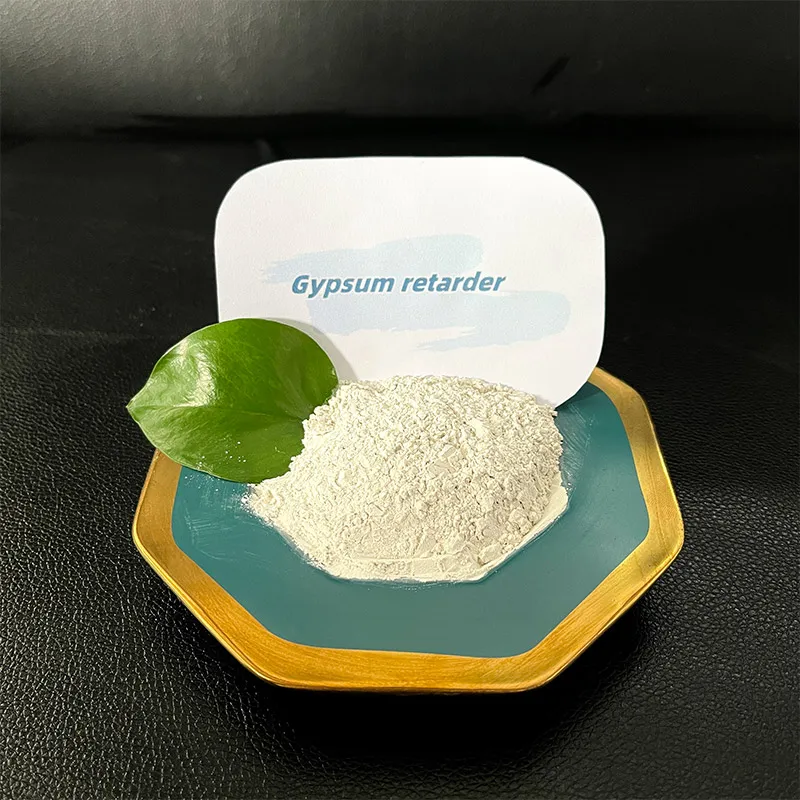
Redispersible emulsion powder is a vital ingredient in modern construction materials, offering numerous benefits in terms of performance and durability. This polymer powder is used in various building products such as cement, plaster, tile adhesives, and dry mix mortar. When added to these materials, redispersible emulsion powder improves flexibility, adhesion, and water retention, resulting in stronger and more durable constructions. The primary function of redispersible emulsion powder is to enhance the properties of dry mix products. It enables the mixture to be re-dispersed in water, which activates the polymer, improving its performance when applied in real-world conditions. For example, when used in plaster, it enhances adhesion to surfaces, making it more resistant to cracking. Similarly, when used in tile adhesives, it ensures better bonding and reduces the likelihood of tiles coming loose over time. In addition to providing superior technical benefits, redispersible emulsion powder is also cost-effective. It allows manufacturers to create high-performance building materials without increasing the overall cost. For construction professionals, this translates into high-quality results at a lower cost, which is essential for both large-scale projects and smaller, budget-conscious renovations. Ethylene Vinyl Acetate Powder: A Versatile Polymer in Construction Another essential polymer used in the construction industry is ethylene vinyl acetate powder (EVA powder) . This versatile material is widely used as an additive in construction products to improve their strength, durability, and flexibility. EVA powder is a copolymer made by combining ethylene and vinyl acetate, offering unique properties such as increased impact resistance, higher tensile strength, and improved flexibility. In the context of construction, ethylene vinyl acetate powder is used to enhance the properties of coatings, adhesives, and flooring materials. For example, when added to tile adhesives, it ensures that the adhesive remains flexible over time, preventing cracks and improving its ability to withstand temperature fluctuations. Similarly, in the production of flooring materials, EVA powder provides additional cushioning, making the floors more comfortable and durable. What makes ethylene vinyl acetate powder particularly valuable in construction is its ability to improve the workability of materials. It reduces the viscosity of adhesives and coatings, making them easier to apply and spread. The result is smoother, more efficient application processes, which save both time and labor costs. Additionally, EVA powder is known for its resistance to UV rays and chemicals, ensuring that construction materials remain strong and reliable over time, even when exposed to harsh environmental conditions. Polymers for Detergent Powder: Enhancing Performance and Efficiency While redispersible emulsion powder and ethylene vinyl acetate powder are widely known in the construction industry, their cousin – polymer for detergent powder – plays a crucial role in the detergent industry. Polymers in detergent powders are essential for improving their efficiency and performance, especially in terms of cleaning power and fabric protection. Polymers for detergent powder enhance the dispersibility of the powder in water, ensuring that the detergent can spread evenly across fabrics and dissolve effectively. They also help reduce the formation of residues, ensuring that detergents work at their best without leaving behind unwanted residues on clothing. Additionally, these polymers can be engineered to help control the release of detergents, enhancing their ability to clean in a variety of washing conditions. Another important benefit of polymer for detergent powder is its ability to help soften fabrics. Polymers like polyacrylates or polycarboxylates, which are commonly used in detergents, create a protective layer around fibers, reducing friction and wear and tear. This feature is particularly beneficial in laundry applications, as it not only improves the longevity of fabrics but also enhances their feel and appearance. Redispersible Polymer Powder Manufacturers: Key Players in Innovation When it comes to sourcing redispersible polymer powder , finding a reliable and experienced manufacturer is key to ensuring high-quality products. Redispersible polymer powder manufacturers play a crucial role in the supply chain, providing construction companies with the materials necessary to produce superior building products. These manufacturers invest in research and development to continuously improve the performance and properties of their products. By working with redispersible polymer powder manufacturers , businesses can access the latest innovations in polymer technology, ensuring that they are using the best materials available for their projects. Additionally, many manufacturers provide tailored solutions, customizing the polymer blends to suit specific applications or environmental conditions. The growing demand for high-performance building materials means that redispersible polymer powder manufacturers are also expanding their production capabilities to meet the needs of the global market. Whether it's in large-scale commercial projects or residential construction, the role of these manufacturers in supporting the industry cannot be overstated. How Redispersible Polymers and Additives Shape Construction and Detergent Products The impact of redispersible polymer powders and additives like ethylene vinyl acetate powder is not limited to just construction materials. These high-performance polymers are also making their mark in industries like detergents, where they enhance cleaning power and fabric care. Whether used in dry mix mortar or laundry detergents, these innovative ingredients play a critical role in improving product functionality and longevity. By incorporating these polymers into their products, manufacturers can improve the overall quality of the materials they produce, leading to better performance, durability, and customer satisfaction. The versatility of these additives allows them to be used across different industries, providing reliable solutions to everyday problems. Redispersible E mulsion P owder FAQs What is redispersible emulsion powder and how is it used in construction? Redispersible emulsion powder is a polymer that is used to enhance the properties of dry mix materials like cement, plaster, and tile adhesives. It improves flexibility, adhesion, and water retention, resulting in stronger and more durable constructions. How does ethylene vinyl acetate powder improve construction materials? Ethylene vinyl acetate powder (EVA powder) improves construction materials by enhancing their strength, flexibility, and resistance to environmental factors like UV rays and temperature fluctuations. It is often used in coatings, adhesives, and flooring materials. What are the benefits of using polymers in detergent powders? Polymers for detergent powder improve the dispersibility of the detergent in water, reduce residue formation, and help soften fabrics. They also enhance cleaning performance by controlling the release of detergents during the washing process. Why is it important to choose a reliable redispersible polymer powder manufacturer? Choosing a reliable redispersible polymer powder manufacturer ensures that you receive high-quality products that meet industry standards. These manufacturers also provide customized solutions to suit specific applications and environmental conditions. Can redispersible polymer powders be used in both residential and commercial construction? Yes, redispersible polymer powders are used in both residential and commercial construction projects. Their versatility makes them suitable for a wide range of applications, from cementitious coatings to tile adhesives and more. These advanced polymer technologies are essential to the modern construction and detergent industries. By investing in products like redispersible emulsion powder and ethylene vinyl acetate powder , you can ensure your construction and cleaning projects perform at their best. Explore our range of high-quality polymers and additives today on our website, and discover how they can improve the performance and durability of your products!
advantages
-

200000 Viscosities
Excellent product
We can produce pure products up to 200,000 viscosities
-

40000 tons
High yield
We don’t stop production all year round, and the annual output can reach 40,000 tons
-

24 hours
Quality service
We provide 24-hours online reception service, welcome to consult at any time
———— Inquiry Form
Schedule A services
-
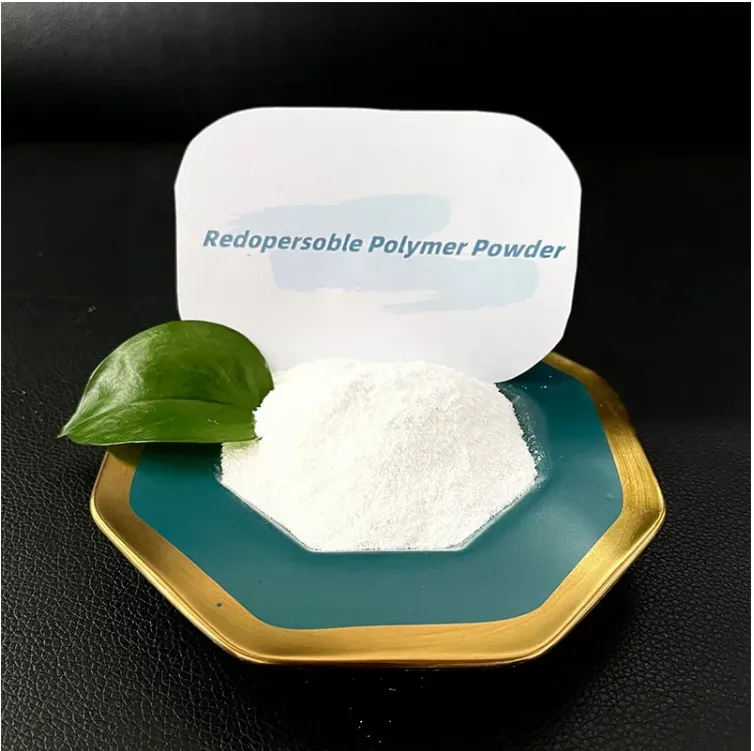 polyacrylonitrile_powder
Oct . 25, 2025
The Growing Importance of PP Fiber Concrete in Modern Construction In the ever-evolving landscape of -
 hpmc_k100m_viscosity
Oct . 25, 2025
In the realm of ocular health, the challenge of maintaining eye moisture has garnered immense attent -
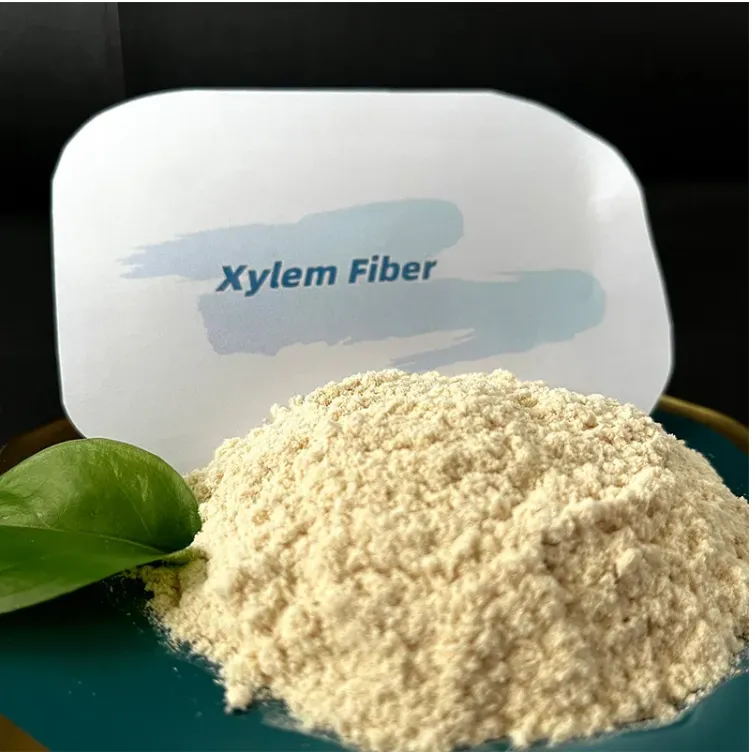 hydroxypropyl_starch_phosphate_for_skin
Oct . 25, 2025
Hydroxypropyl Methylcellulose, commonly referred to as HPMC, is a multi-faceted cellulose-based poly


